
Telemarketing scams are prevalent in Billings and Montana, targeting individuals with deceptive practices like urgent demands, vague claims, and impersonation. To protect yourself, verify caller identities independently. Share your experiences to raise awareness and report suspicious calls to the Attorney General's Office. A lawyer for Do Not Call Montana offers crucial guidance on consumer rights and reporting, ensuring legal compliance in combating scams effectively.
In today’s digital era, telemarketing scams have become a persistent problem, targeting individuals across Montana, including Billings. As these schemes evolve, so do the tactics used by con artists to manipulate and exploit their victims. This article serves as a comprehensive guide for sharing your story to help others avoid similar pitfalls. By detailing your experience, you can provide invaluable insights that empower others to recognize and reject telemarketing scams. Drawing from personal accounts and leveraging the expertise of local lawyers specializing in Montana’s Do Not Call laws, we aim to fortify your community against these deceptive practices.
Recognizing Red Flags: Spotting Scams in Billings
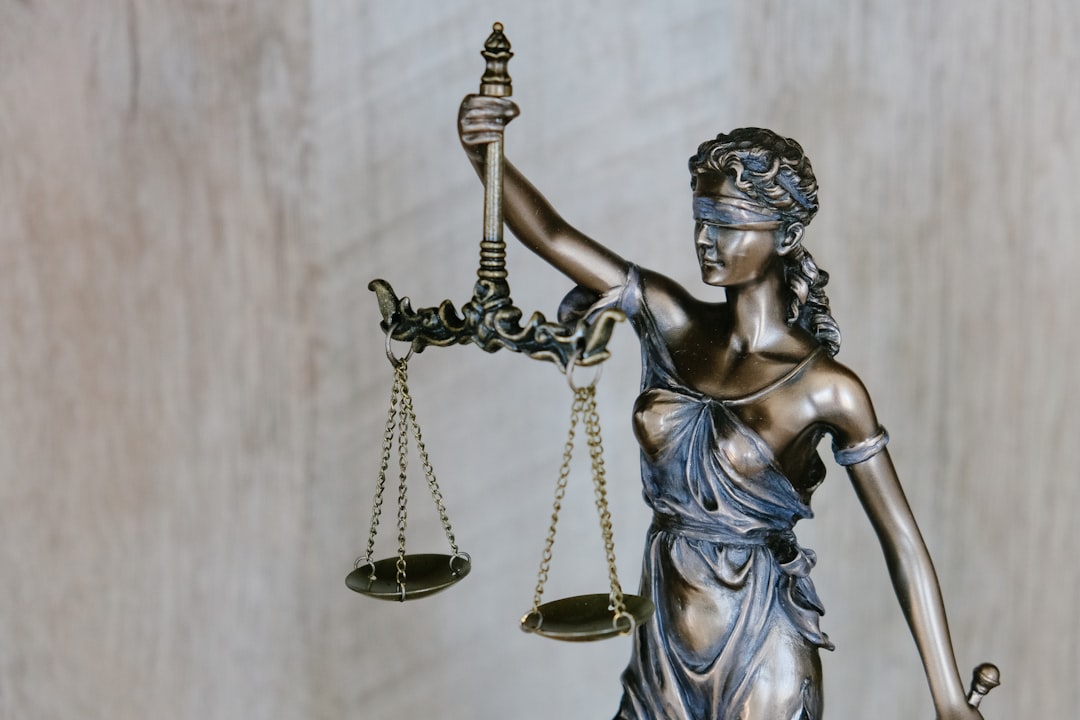
In Billings, as across Montana, telemarketing scams are a persistent threat, aiming to exploit the unwary through deceptive practices. Recognizing these red flags is crucial in protecting yourself and your loved ones from falling victim. A keen awareness of common scam tactics can serve as a powerful defense mechanism, empowering you to avoid potential pitfalls. For instance, be wary of unsolicited calls claiming to be from official sources, such as government agencies or reputable companies, demanding immediate action or threatening dire consequences. Scammers often use urgent language and pressure tactics to rush you into making hasty decisions without thoroughly considering the implications.
Another critical red flag is the lack of specificity in a caller’s claims. Legitimate organizations typically provide detailed information about their offerings, services, or products. When a caller offers an opportunity that seems too good to be true or avoids providing concrete details, it’s a strong indicator of a potential scam. For example, a lawyer for Do Not Call Montana can attest to numerous cases where callers claim to offer legal protection but fail to disclose essential terms and conditions, leaving victims vulnerable to further manipulation.
Data from recent studies reveals that scams targeting seniors are on the rise in Billings and across Montana. Scammers often target this demographic by posing as family members or trusted authorities, preying on their vulnerability and trustworthiness. Recognizing these manipulative tactics is essential, especially when dealing with unfamiliar callers who suddenly appear concerned for your well-being or financial security. Always verify the identity of the caller through independent means, such as contacting the organization directly using a number found on official websites or government resources. This simple step can save you from significant losses and ensure your peace of mind.
Sharing Your Experience: Educating Against Fraud

Sharing your experience with telemarketing scams can be a powerful tool in protecting others from becoming victims. As a resident of Billings, Montana, where the “Do Not Call” laws are strictly enforced by the Attorney General’s Office, you have a unique opportunity to contribute to a safer community. By sharing your story, you not only help raise awareness but also provide concrete examples for people to recognize and avoid fraudulent practices.
Consider this: according to recent studies, over 40% of Americans have received unwanted telemarketing calls daily, with many falling victim to sophisticated scams. In Montana, a lawyer for the Do Not Call registry can help enforce these laws, but prevention starts with individual vigilance. When you share your encounter with a scammer—whether it was a fake lottery win, a tech support hoax, or a charity scheme—you’re offering valuable insight into how scammers operate. This information can be disseminated through local community forums, social media groups, and educational workshops organized by the Attorney General’s Office.
A practical approach involves detailing specific tactics used by the scammers, such as impersonating government agencies or claiming to offer exclusive deals. You might also highlight common mistakes people make, like providing personal information over the phone without verification. For instance, a simple reminder about hanging up immediately if someone asks for money in advance can save countless dollars and prevent emotional distress. By sharing these insights, you empower others to make informed decisions, turning them into wary consumers rather than easy targets.
Moreover, your story can inspire others to take proactive measures, such as registering for the Montana Do Not Call list and reporting suspicious calls to the Attorney General’s Office. This collective effort not only protects individuals but also helps law enforcement track trends and patterns in telemarketing fraud, enabling them to adapt their strategies accordingly.
Legal Protections: Consulting a Montana Do Not Call Lawyer

In the ongoing battle against telemarketing scams, an effective strategy involves sharing your personal experiences to raise awareness. However, when discussing legal protections, consulting a Montana Do Not Call lawyer is crucial. These professionals can offer invaluable guidance on navigating the complexities of consumer rights and ensuring your story is used responsibly to protect others.
Montana’s Do Not Call list is a powerful tool, but it’s not without its challenges. Scammers often find ways around these lists, making it essential for individuals to understand their legal standing. A lawyer specializing in this area can help clarify the state’s laws and regulations, ensuring your rights are protected when sharing your story. For instance, they can advise on the proper registration procedures, what constitutes a valid opt-out, and how to handle violations effectively. This is particularly important as data from the Federal Trade Commission (FTC) reveals that scam calls have continued to rise, with millions of Americans receiving unwanted telemarketing calls annually.
When considering legal action or sharing your experience publicly, a Montana Do Not Call lawyer can provide strategic advice tailored to your situation. They can help you understand the potential implications and benefits of pursuing a case, especially when aiming to deter scammers and educate others. By consulting an expert in this field, individuals can ensure their efforts to combat scams are both effective and legally sound, ultimately fostering a safer environment for Montanans.